Receipt printers are the unsung heroes of retail, hospitality, and service industries--quietly churning out transaction records, order slips, and customer confirmations with speed and precision. Let us break down what makes them essential and how they differ.
What Is a Receipt Printer?
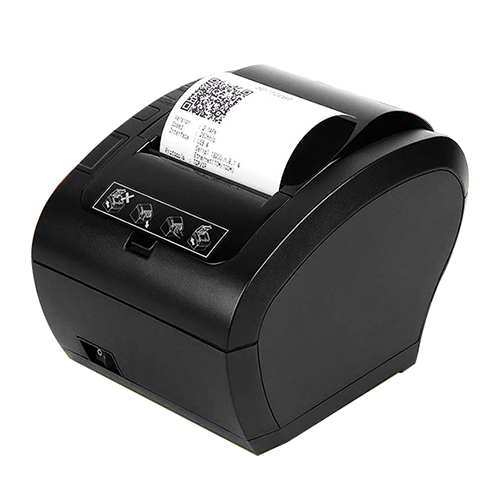
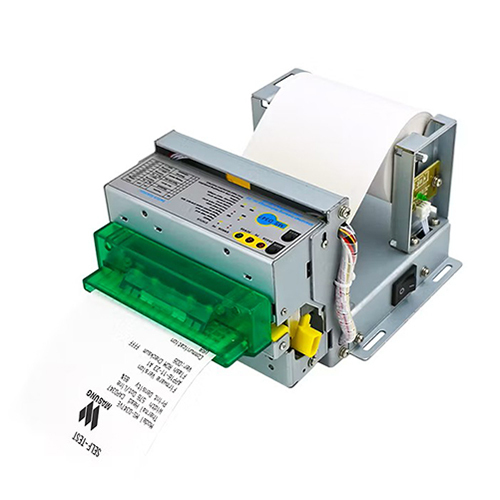
A receipt printer is a specialized device designed to print transaction records quickly and efficiently. You will find them at checkout counters, restaurants, ticket booths, and anywhere a printed proof of purchase or service is needed.
Types of Receipt Printers
|
Type
|
Description
|
|
Thermal Printers
|
Use heat-sensitive paper; fast, quiet, and low-maintenance
|
|
Impact Printers
|
Use ink ribbons; ideal for multi-part forms or environments needing durability
|
|
Inkjet Printers
|
Less common; used when color printing is needed
|
Key Features
- Fast Printing Speeds: Crucial during peak hours to avoid customer delays
- Connectivity Options: USB, Ethernet, Bluetooth, Wi-Fi for easy POS integration
- Auto-Cutter: Cleanly slices receipts without manual tearing
- Compact Design: Fits neatly into tight counter spaces
- Customization: Logos, QR codes, and promotional messages can be added
Advantages
- Efficiency: Speeds up checkout and order processing
- Professional Appearance: Clear, legible receipts enhance customer trust
- Cost-Effective: Especially thermal models, which require no ink
- Reliable: Fewer moving parts mean less downtime and maintenance
Common Uses
- Retail Stores: Sales receipts, return slips
- Restaurants: Order tickets, kitchen dockets
- Transportation: Boarding passes, tickets
- Healthcare: Patient billing, appointment confirmations
If you are choosing one, consider your environment: high-volume retail might benefit from a fast thermal printer, while a kitchen might need a rugged impact model that withstands heat and grease. Want help comparing top models? We can walk you through it. Contact us today.





 Send Inquiry


