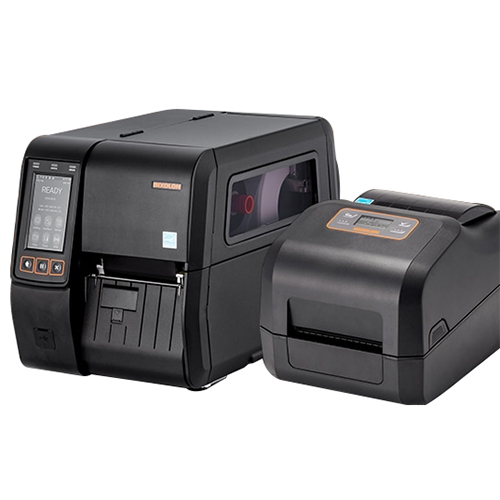
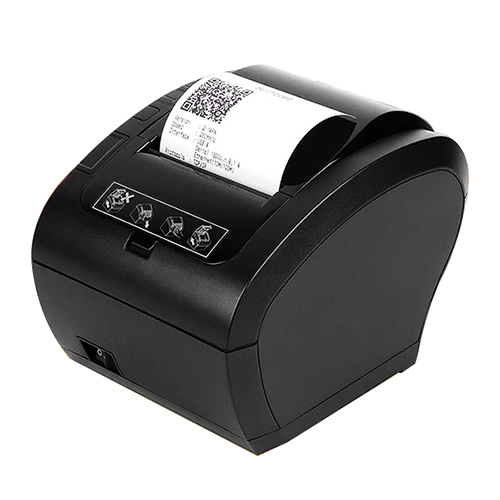
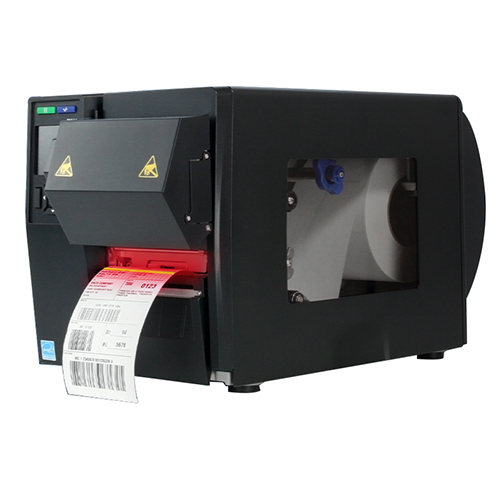
An RFID printer is a specialized device that not only prints labels but also encodes data onto RFID (Radio Frequency Identification) tags embedded within those labels. These printers are essential for industries that require fast, accurate, and contactless tracking of assets, inventory, or people.
What RFID Printers Do
RFID printers combine thermal printing with RFID encoding, allowing you to:
- Print readable text and barcodes on a label
- Encode digital data onto the embedded RFID chip
- Verify the encoded data for accuracy
This dual functionality streamlines operations by producing smart labels in one go.
Key Features
- Supports UHF, HF, and NFC tags depending on the model
- Thermal Transfer & Direct Thermal printing
- Built-in RFID encoder for writing and verifying tag data
- High-resolution printing (typically 300 dpi or higher)
- Connectivity options: USB, Ethernet, Wi-Fi, Bluetooth
- Tag validation: Automatically voids defective tags
Advantages Over Traditional Printers
|
Feature
|
RFID Printer Benefit
|
|
Contactless Scanning
|
Tags can be read without line-of-sight
|
|
Speed & Efficiency
|
Multiple tags scanned simultaneously
|
|
Data Security
|
Encrypted digital data, harder to tamper
|
|
Automation Ready
|
Integrates with ERP, WMS, and POS systems
|
|
Versatility
|
Works with various tag types and label sizes
|
RFID printers are especially useful in environments where speed, accuracy, and automation are critical.
Common Use Cases
- Retail: Inventory tracking, anti-theft tags
- Healthcare: Patient wristbands, equipment tracking
- Manufacturing: Asset management, production control
- Logistics: Pallet tracking, shipment verification
- Events: Smart wristbands, access control
Popular Models
Some leading RFID printer brands include:
- Zebra RFID
- Honeywell RFID
- TSC RFID
- SATO RFID
Each offers different encoding standards, print speeds, and durability levels depending on your needs. Want help choosing the right one for your business or integrating RFID into your workflow? Contact us today.





 Send Inquiry


