Product Description
RFID Tags for Metallic Surfaces
Specialized RFID tags are designed to overcome the signal interference caused by metal:
|
Tag Type
|
Description
|
Typical Use
|
|
On-Metal Hard Tags
|
Rigid, durable tags with foam or ferrite backing
|
Industrial assets, tools, machinery
|
Technologies Used
RFID tags for metal surfaces use advanced design techniques to ensure reliable performance:
- Anti-Interference Substrates: Foam, ferrite, or ceramic layers isolate the tag from metal reflection
- Tuned Antennas: Optimized to exploit or neutralize metals reflective properties
- Spacer Design: Creates a gap between the tag and metal to prevent detuning
- UHF Protocols (ISO 18000-6C): Most common for long-range, high-speed reads
Construction Details
- Materials:
- ABS or polycarbonate casing for ruggedness
- Ferrite or foam backing for signal isolation
- Adhesive or bolt-on mounting options
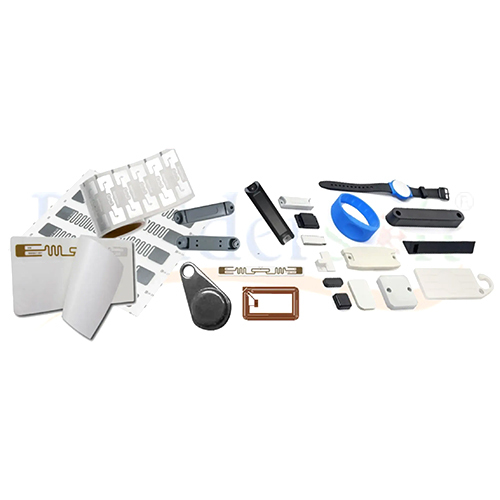
- Form Factors:
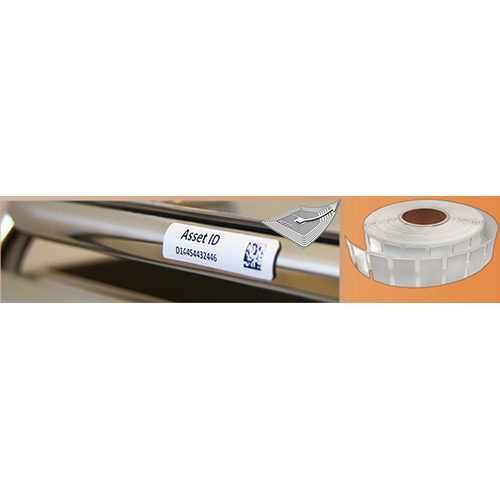
- Flat labels for laptops and servers
- Bolt-on tags for pipes and valves
- Embedded tags for tools and molds
Application Areas
RFID tags for metal surfaces are widely used in:
- Industrial Asset Tracking: Pipes, valves, machinery
- IT Asset Management: Servers, laptops, data center equipment
- Healthcare: Medical devices, sterilization trays
- Aerospace & Defense: Aircraft components, tools
- Construction: Steel beams, scaffolding
- Manufacturing: Automotive parts, production lines
Advantages
- Reliable Performance on Metal: Designed to overcome RF interference
- Durability: Resistant to heat, chemicals, and physical stress
- Flexible Form Factors: Suitable for flat, curved, and embedded surfaces
- Long Read Range: Optimized antenna design enables efficient scanning
- Improved Asset Visibility: Enables real-time tracking and inventory control
Would you like help selecting the best tag type for your specific metal asset or environment? Contact us today.
Optimized for Metal SurfacesThese RFID tags are engineered to effectively perform on metal surfaces, overcoming typical interference issues that hinder standard tags. Featuring anti-metal interference technology and durable encapsulation, they remain dependable in demanding industrial environments, whether for inventory management or machinery identification.
Flexible Mounting and CustomizationChoose from adhesive, screw, or rivet mounting to best suit your application. The tags support customizations such as logo printing, barcode, serial number, and selectable surface finishes (matt/glossy). With color options including grey or blue, personalization helps with visual identification and branding.
Global Compatibility and High PerformanceOperating on both UHF and HF frequencies, these tags are universally compatible with leading RFID readers worldwide. Their passive design requires no internal power, while delivering high accuracy and dependable data retention for over 10 years, ideal for long-term tracking and asset management.







 Send Inquiry


