Here is a detailed breakdown of High Temperature RFID Tags, covering their types, technologies, construction, application areas, and advantages:
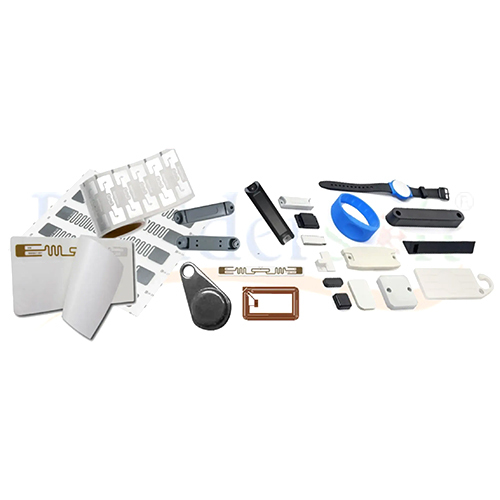
Types of High Temperature RFID Tags
These tags are engineered to survive and operate in environments exceeding 150C, with some enduring up to 1000C degree Celsius:
|
Tag Type
|
Temp Range
|
Description
|
|
PCB Tags
|
150 to 180C
|
Made from heat-resistant printed circuit boards; cost-effective for short-term use
|
|
Ceramic Tags
|
Up to 1000C
|
Extremely heat-resistant; ideal for metallurgy and aerospace
|
|
Glass Tube Tags
|
180C
|
Sealed in borosilicate or quartz glass; used in chemical and refining industries
|
|
Plastic Tags
|
100 to 200C
|
Treated plastics for moderate heat resistance; lightweight and flexible
|
|
Metal-Encased Tags
|
Up to 300C+
|
Rugged casing for harsh industrial environments
|
|
Flexible PI Tags
|
150C
|
Polyimide-based, bendable tags for shaped surfaces like robotic arms
|
Technologies Used
High-temp RFID tags incorporate specialized technologies to ensure performance:
- Chip Packaging: Heat-resistant encapsulation to prevent failure
- RFID Protocols: Typically ISO/IEC 18000-6C (UHF), with some HF/LF variants
- Material Innovation:
- Zirconia/Alumina Ceramics: High dielectric constant for better RF performance on metal
- Epoxy Resin Substrates: Used in PCB tags for metal shielding
- Polyimide Coatings: Flexible and weather-resistant
Construction Details
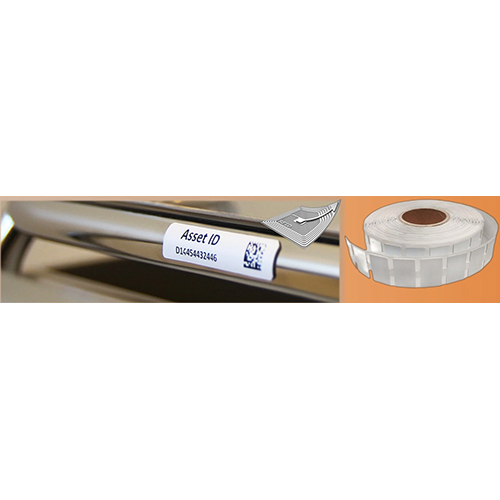
- Encapsulation: Tags are sealed using high-temp adhesives, epoxy, or glass
- Form Factors:
- Embedded in molds or tools
- Surface-mounted with high-temp glue
- Encased in metal or ceramic shells
- Durability Enhancements:
- Shock and vibration resistance
- Corrosion-proof coatings
Application Areas
High-temp RFID tags are indispensable in:
- Metal Smelting & Foundries: Tracking ladles, molds, and furnace components
- Automotive Manufacturing: Paint lines, engine part tracking
- Aerospace & Defense: Monitoring components exposed to extreme heat
- Medical Sterilization: Surgical instrument tracking during autoclaving
- Chemical & Petrochemical: Asset tracking in corrosive, high-temp zones
- Electronics (SMT): Work-in-process tracking during soldering and reflow
Advantages
- Extreme Heat Resistance: Operate reliably in environments up to 1000C
- Non-Contact Identification: Efficient tracking without line-of-sight
- Durability: Withstand shock, corrosion, and vibration
- Traceability: Real-time monitoring and data collection
- Process Compliance: Ensures quality control in harsh conditions
- Flexible Deployment: Suitable for flat, curved, or embedded surfaces
If you are considering deploying these tags in a specific industry or process, we can help you choose the best type and technology for your needs. Want to dive into a particular use case? Contact us today.





 Send Inquiry


