Product Description
Here is a structured overview of Inkjet Printing covering its types, features, and applications, especially relevant for industrial, retail, and technical environments like yours.
Types of Inkjet Printing Technologies
|
Type
|
Mechanism
|
Typical Use Cases
|
|
Thermal Inkjet (TIJ)
|
Heats ink to form bubbles that eject droplets
|
Office printers, product coding, packaging
|
|
Piezoelectric Inkjet
|
Uses piezo crystals to push ink droplets
|
High-resolution graphics, industrial marking
|
|
Continuous Inkjet (CIJ)
|
Constant ink stream with electrostatic deflection
|
High-speed coding on moving products
|
|
Drop-on-Demand (DOD)
|
Ink released only when needed
|
Labeling, barcodes, variable data printing
|
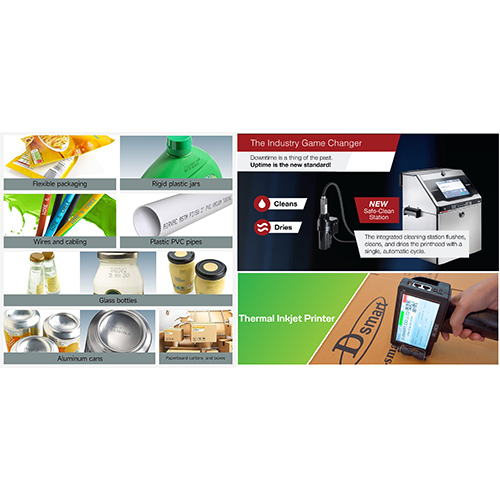
For industrial marking in India (e.g. on cartons, bottles, PCBs), CIJ and TIJ are most common due to speed and cost-efficiency.
Key Features of Inkjet Printing
- High Resolution: Up to 1200 dpi for crisp text and graphics
- Non-contact Printing: Ideal for fragile or uneven surfaces
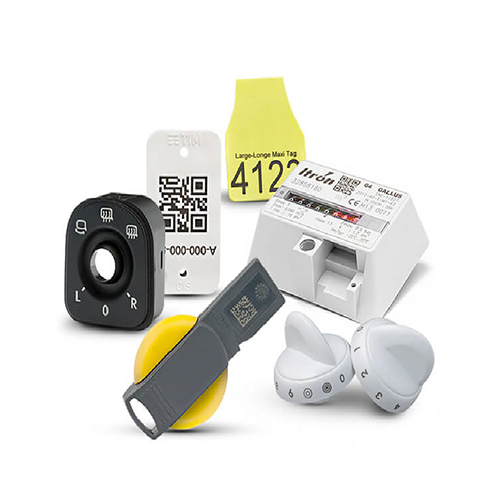
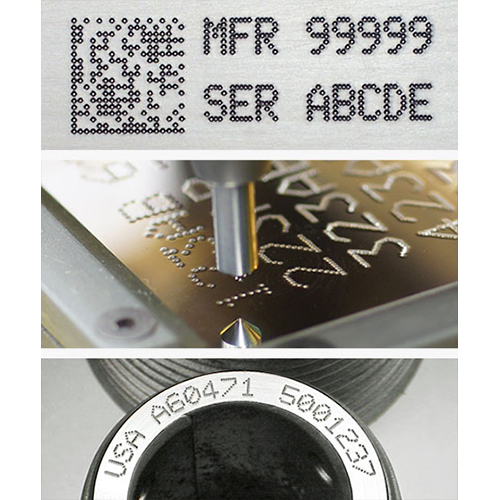
- Variable Data Capability: Serial numbers, barcodes, expiry dates
- Ink Versatility: Water-based, solvent-based, UV-curable, pigmented
- Substrate Flexibility: Paper, plastic, metal, glass, textiles
- Compact Footprint: Suitable for integration into production lines
- Low Maintenance: Especially with TIJ systems (cartridge-based)
Industrial & Commercial Uses
|
Sector
|
Applications
|
|
Retail & Packaging
|
Batch codes, expiry dates, barcodes on cartons and pouches
|
|
Pharmaceutical
|
UDI codes, blister pack marking, compliance labeling
|
|
Electronics
|
PCB traceability, component marking
|
|
Textiles
|
Fabric printing, design prototyping
|
|
Advertising
|
Large-format banners, posters, signage
|
|
Office/Home
|
Document printing, photo printing
|
Would you like guidance regarding CIJ vs TIJ for your specific use case? Contact us today.
Intuitive Touchscreen OperationNavigate printing tasks effortlessly with the large 7-inch touchscreen interface. Multiple language options make it accessible to a wide workforce, streamlining operation and reducing training time. The user-friendly control panel enables easy selection of font styles, sizes, and quick access to error and alarm notifications for smoother workflows.
Reliable Industrial PerformanceAchieve precise and consistent results with high-speed printing, suitable for industrial applications such as coding, marking, and label printing. The machine handles up to 1,000 impressions per hour and adapts to variable print sizes and widths, ensuring flexibility across different packaging and production lines.
Designed for Durability and MobilityBuilt with stainless steel and robust materials, this printer ensures longevity even in demanding environments. Casters offer effortless mobility, allowing the device to be repositioned as needed. The low-maintenance design and optional installation service make it a practical choice for dynamic industrial usage.





 Send Inquiry


