
उत्पाद वर्णन
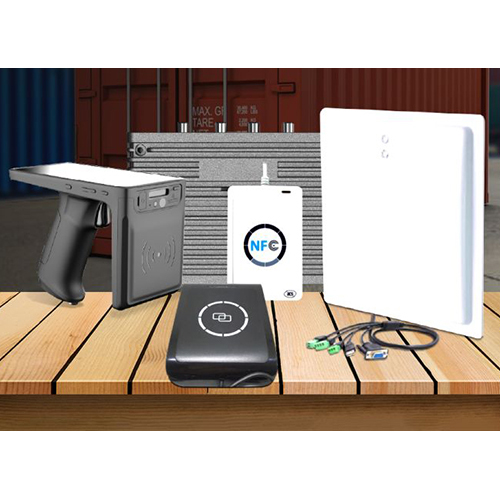
Here is a comprehensive breakdown of a UHF RFID (Ultra High Frequency Radio Frequency Identification) system--covering its core components, key features, and real-world applications, especially relevant for industrial and logistics deployments in India.
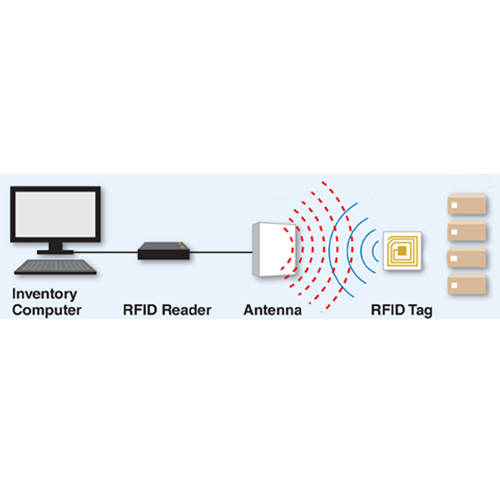
Components of a UHF RFID System
|
Component
|
Description
|
|
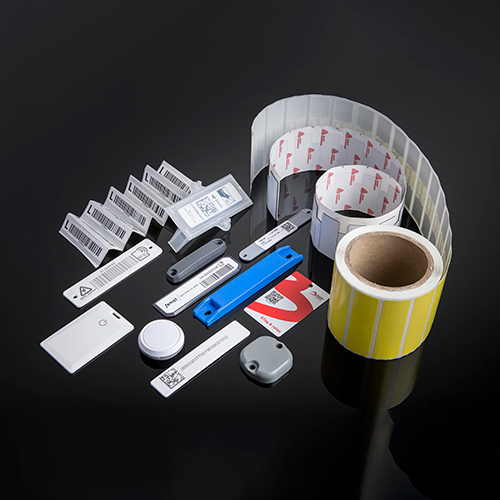
RFID Tags
|
Passive or active tags with microchips and antennas that store item data
|
|
RFID Readers
|
Devices that emit radio waves to power and read tags (fixed or handheld)
|
|
Antennas
|
Transmit and receive signals between readers and tags; types include linear, circular, and near-field
|
|
Middleware/Software
|
Manages data flow, filtering, and integration with ERP/WMS systems
|
|
Host System
|
Backend database or cloud platform for analytics, reporting, and control
|
Key Features of UHF RFID
- Frequency Range: 860-960 MHz (India: 865-867 MHz)
- Read Range:
- Passive tags: up to 10-15 meters
- Active tags: up to 100 meters
- Tag Types:
- Passive: No battery, low cost, used for inventory and retail
- Active: Battery-powered, used for vehicle tracking and high-value assets
- Multi-Tag Reading: Can read hundreds of tags per second
- Interference Resistance: Advanced signal processing to handle metal/liquid environments
- Security: EPC Gen2 (ISO/IEC 18000-6C) protocol, encryption, and tag authentication
Common Use Cases
|
Industry
|
Applications
|
|
Logistics
|
Real-time parcel tracking, automated gate systems, cross-docking
|
|
Retail
|
Inventory management, anti-theft systems, shelf replenishment
|
|
Manufacturing
|
WIP tracking, tool management, quality control
|
|
Healthcare
|
Asset tracking, patient ID, medication verification
|
|
Smart Parking
|
Vehicle identification, access control
|
|
Government
|
E-governance, biometric ID verification, secure asset tagging
|
Deployment Tips for India
- Use 865-867 MHz compliant readers and tags to meet local regulations
- Ensure EPC Gen2 compatibility for interoperability
- Look for RAIN RFID Alliance-certified products for global standardization
- Popular brands include Zebra, Impinj, Chainway, and Newland
Would you like a shortlist of UHF RFID readers or tags optimized for your industrial use case--say, harsh environments or mobile scanning? We can tailor it by range, durability, and availability. संपर्क करें Today.
Superior Long-Range DetectionWith an antenna gain of 9 dBi and a maximum read range of 15 meters, this UHF RFID system outperforms standard readers, making it ideal for monitoring assets over large areas. Its high sensitivity enables reliable detection of passive tags, streamlining tracking in warehouses and across wide site perimeters.
Robust, Versatile DesignEngineered for indoor and outdoor use, the system operates reliably between -20C and +60C and withstands high humidity. The ABS plastic and metal housing, along with flexible mounting options, ensure durability and easy setup on either walls or poles-providing tailored solutions for any application environment.
Flexible Integration and ConnectivitySeamless communication is ensured by multiple connectivity interfaces, including Ethernet, RS485, USB, RS232, TCP/IP, and Wiegand. Integrated LED indicators enhance monitoring of power, read, and status events, while dual input and output ports support external control or automation needs in smart asset management environments.
FAQ's of UHF RFID System:
Q: How does the UHF RFID system achieve long-range tag detection?
A: By utilizing a high antenna gain of 9 dBi and advanced circuitry, this UHF RFID system can detect passive tags from distances up to 15 meters. The design minimizes interference, allowing it to operate efficiently in environments with multiple radio signals.
Q: What protocols are supported for tag reading and why is this important?
A: The system supports ISO18000-6C/EPC GEN2 protocols, which are widely adopted for UHF RFID applications. Multi-protocol support ensures compatibility with a broad range of passive RFID tags, enhancing flexibility and scalability for asset tracking or access control.
Q: When and where can this RFID system be installed for optimal use?
A: Designed for both indoor and outdoor environments, the system can be mounted on walls or poles in warehouses, factories, parking lots, or secured entry points. Optimal installation occurs where long-range track-and-trace or high tag density management is needed.
Q: What is the process for integrating this RFID system with existing infrastructure?
A: Integration is straightforward due to the range of connectivity options, including Ethernet, RS485, TCP/IP, USB, and more. It can link seamlessly to management software, security systems, or asset databases via standard industrial interfaces, minimizing setup time.
Q: How is multi-tag reading managed, and what is the capacity of this system?
A: This RFID system can process up to 500 tags simultaneously, leveraging a high data transfer rate to accurately capture movements and locations in real time. Advanced anti-collision algorithms ensure reliable multi-tag reading, even in densely tagged environments.
Q: What benefits does this system provide for warehouse management?
A: Users gain real-time visibility into inventory movements, automated asset tracking, and improved accuracy. The ability to read multiple tags simultaneously boosts operational efficiency and reduces manual labor, leading to lower error rates and streamlined workflows.