
उत्पाद वर्णन
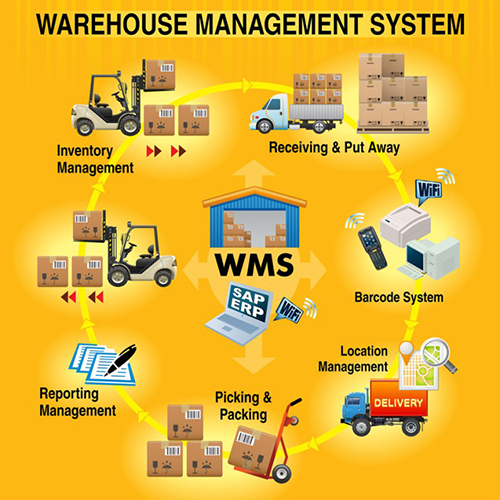
Warehouse management has evolved into a high-tech ecosystem, especially with the rise of e-commerce, traceability demands, and just-in-time logistics. Here's a comprehensive overview of the key technologies transforming warehouse operations:
Core Technologies in Modern Warehousing
|
Technology
|
Purpose & Benefits
|
|
Warehouse Management Systems (WMS)
|
Centralized control of inventory, picking, packing, and shipping workflows
|
|
Automated Storage & Retrieval Systems (ASRS)
|
Robotic systems for storing and retrieving goods with speed and precision
|
|
Barcode & RFID Systems
|
Real-time tracking of inventory, assets, and shipments
|
|
Internet of Things (IoT)
|
Sensors for monitoring temperature, humidity, equipment status, and stock levels
|
|
Autonomous मोबाइल Robots (AMRs)
|
Dynamic goods transport and picking assistance without fixed paths
|
|
Artificial Intelligence (AI)
|
Predictive analytics for demand forecasting, route optimization, and labor planning
|
|
3D Bin Packing Algorithms
|
Optimizes packaging space to reduce costs and improve sustainability
|
|
Electronic Data Interchange (EDI)
|
Automates document exchange (invoices, orders, shipping notices)
|
|
Wearables & AR Devices
|
Hands-free picking, navigation, and training for warehouse staff
|
|
Cloud-Based Platforms
|
Remote access to WMS, analytics, and real-time dashboards
|
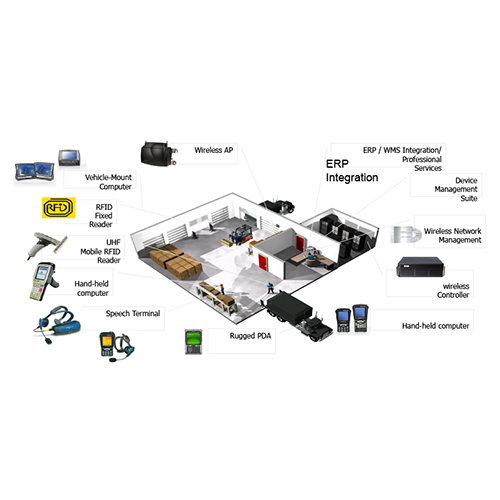
Seamless Technology IntegrationModern warehouse management technologies integrate smoothly with ERP and supply chain systems. This ensures unified data flow and visibility across all operational segments, supporting quick decision-making for distributors and suppliers. Synchronization empowers manufacturers and exporters to manage inventory, orders, and logistics from a central platform, boosting operational transparency and reducing gaps in communication.
Enhanced Data Accuracy and Labor EfficiencyTechnologies like RFID, IoT sensors, and voice picking systems deliver real-time tracking and wireless connectivity. This boosts data accuracy by minimizing manual input errors, while automated guided vehicles (AGVs) and robotics increase picking speed and reduce labor demands. The result is a more reliable fulfillment process, supporting exporters and service providers with precise and efficient order handling.
Scalability and Security for Every WarehouseWarehouse management solutions are designed to scale according to varying warehouse capacities-from small suppliers to large exporters. Security features such as access control, surveillance, and data encryption ensure that sensitive information and valuable goods remain protected, supporting manufacturers and distributors as they grow.
Energy Efficiency and Maintenance SupportOptimized automation systems, including energy-saving robotics and ASRS, lower operational costs while supporting sustainability goals. Predictive maintenance and remote diagnostics reduce downtime and proactively address performance issues, enabling seamless operations for service providers and distribution centers throughout India.
FAQ's of Technologies Used in Warehouse Management:
Q: How do warehouse management technologies integrate with ERP and supply chain systems?
A: Warehouse management solutions offer APIs and middleware that enable seamless connectivity with ERP and supply chain systems. This integration automates data exchanges such as order details, inventory levels, and shipping updates, creating a unified operational environment and reducing manual entry errors.
Q: What technologies improve data accuracy in warehouse operations?
A: Real-time tracking with RFID, barcode systems, IoT sensors, and advanced WMS significantly enhance data accuracy. These technologies automatically record inventory movements, reducing human error and ensuring precise stock counts for distributors, exporters, and manufacturers.
Q: When should a warehouse consider implementing scalable management solutions?
A: Warehouses should implement scalable management technologies during periods of expansion, fluctuating demand, or when existing systems can't meet operational complexity. Scalable technologies adapt resources and capacities based on need, making them ideal during growth phases or business diversification.
Q: Where can warehouse automation technologies like drones and AGVs be deployed?
A: Automation technologies such as drones and AGVs can be deployed across various warehouse environments, from regional distribution centers to manufacturing facilities. They are especially beneficial in large or high-throughput warehouses where manual handling is challenging or time-consuming.
Q: What processes benefit from voice picking and robotics in warehouse management?
A: Order picking, replenishment, and returns processing see the greatest benefit from voice picking systems and robotics. Voice-directed workflows reduce errors and speed up picking, while robotics automate repetitive tasks, improving efficiency and reducing labor costs.
Q: How do security features safeguard warehouse data and assets?
A: Warehouse management technologies employ access control, video surveillance, and encryption for data handling to protect sensitive information and high-value products. These security measures prevent unauthorized access and ensure compliance with industry standards.
Q: What are the gains of using energy-efficient warehouse automation and remote maintenance support?
A: Energy-efficient automation, including robotics and ASRS, lowers power usage and operational costs, supporting greener initiatives. Remote diagnostics and predictive maintenance help identify and address issues before they become critical, minimizing downtime and enhancing productivity for Indian suppliers and manufacturers.